
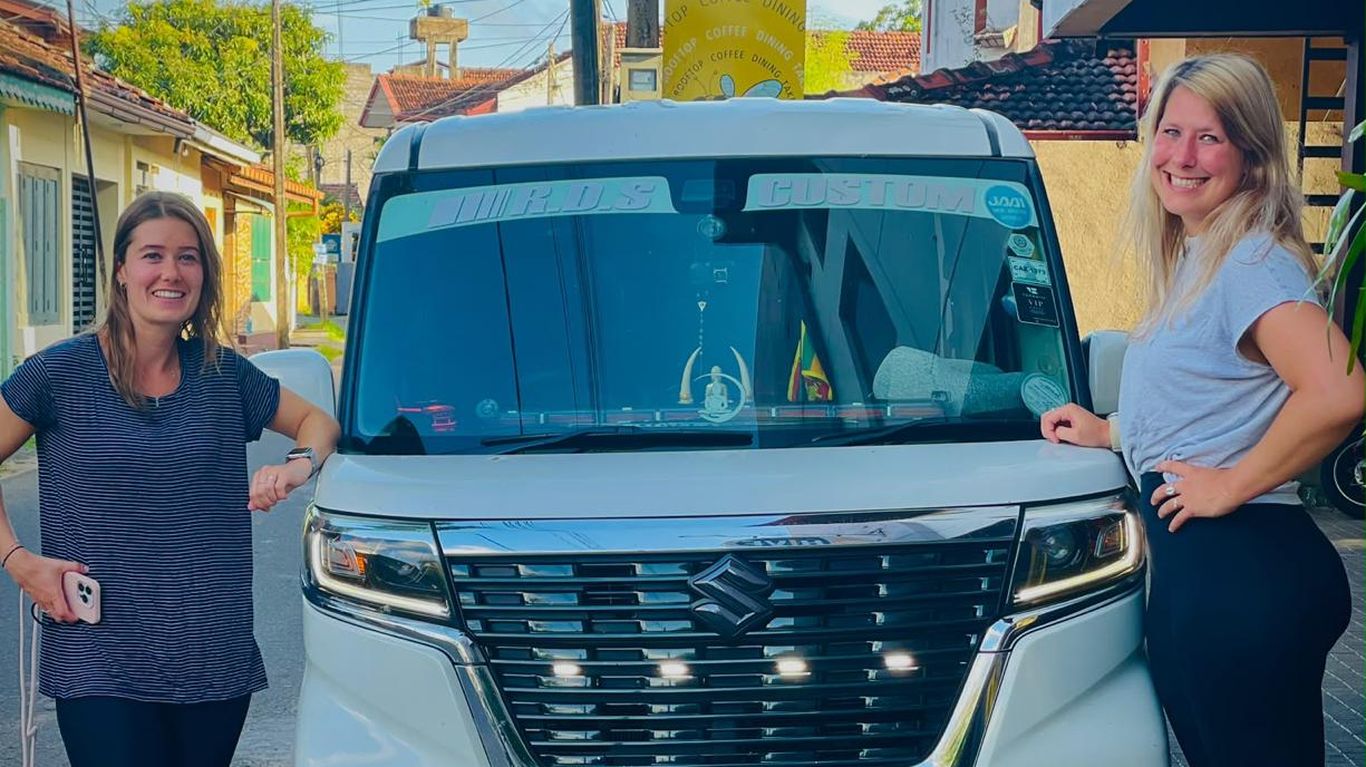
The tuk-tuk is Sri Lanka's national transport - a three-wheeled hello that costs almost nothing and goes almost everywhere. Used well, it becomes your favorite way to get around town; used badly, the first ride turns into an expensive lesson in how fares work on this island. The rules are unwritten, but they are consistent, and once you know them every trip starts with a number you both agree on.
Agree the fare before you sit down, carry small notes, and let your guesthouse call the driver when you want an honest quote. Meters exist but are rare, so the negotiated number, said out loud and repeated back, is the deal. This guide covers what short hops and longer runs should cost, how to hire a tuk-tuk for a full day without surprises, and the one curb worth walking past - with a map app loaded, riding stops being a gamble.
Agree The Fare Before You Sit
Almost every bad tuk-tuk story starts with the same shortcut: climbing in first and discussing money later. Say the price out loud, have the driver repeat it, and settle payment at the end of the ride. A fair rate agreed at the curb is the whole system - everything else on the road follows from it.
The tuk-tuk is Sri Lanka's national transport - a three-wheeled hello that costs almost nothing and goes almost everywhere. Master a few unwritten rules and it becomes your favorite way to get around town; ignore them and your first ride becomes an expensive lesson.
First, agree the fare before you sit down. Short city hops cost a few hundred rupees, longer cross-town runs more, and airport or station jobs start higher. Meters exist but are rare - the negotiated number, said out loud and repeated back, is the deal.
Riding Like A Local
- Ask your hotel to call a tuk-tuk - drivers sent by your guesthouse quote honestly because their reputation depends on it.
- Carry small notes; drivers rarely have change for a two-thousand rupee bill.
- For fixed daily hire, agree the hours, the fuel and the waiting time in writing on WhatsApp.
- Keep bags out of sight and doors zipped in Colombo traffic.
Download a map app before you go so you can see the route yourself, and never accept an unsolicited ride from the arrivals curb at CMB - pre-arranged pickups cost less and start the trip without a negotiation.
A journey starts well when the person carrying your bags already knows the road: the traffic outside Colombo, the turn after the lake, and the hotel gate that never appears on the map.
Timing follows the road. Airport pickups are matched to your actual landing time, the run to Kandy or Sigiriya takes three to four hours depending on traffic, and long drives start early so you arrive before the afternoon heat. Anything on wheels can be re-timed up to the night before, on WhatsApp, at no cost.
Practical Tips For Every Transfer
A few habits that keep travel days on the island calm and on schedule:
- Send your flight number and hotel name ahead so your driver's contact reaches you before you land.
- Confirm pickup times the night before, especially for early safari starts.
- Keep small rupee notes handy for tolls, tea and tuk-tuks along the way.
- Ask for the realistic drive time, not the map time - Colombo traffic sets its own rules.
- Leave a buffer before any connecting flight; the last hour of a Sri Lankan drive belongs to the road.
However you cross the island, travel with people who treat the schedule as their own. Zero cancellation fees up to two days before any transfer, no deposit at booking, and a driver who messages you directly - the transport stops being the part you worry about.
Frequently Asked Questions
Short city rides cost a few hundred rupees; longer trips scale with distance. Always agree the fare before departing - tuk-tuks rarely use meters - and carry small notes because drivers usually cannot break large bills.
Yes, they are everyday transport for locals and visitors alike. Use drivers sent by your hotel, agree the price first, keep belongings close in traffic, and avoid unsolicited offers at the airport curb for the cheapest, calmest start.
Always settle the price before you get in - name your destination, hear the number, and counter once if it feels high. A quick check on a ride-hailing app gives you a fair reference point to negotiate from.
Yes - PickMe and Uber show the fare upfront and are widely used in Colombo, Kandy and Galle. Outside the bigger towns, app coverage thins out, so the negotiation skill still matters.
Drivers know the towns, but landmarks beat street names - say the hotel name or the temple beside it. If you are navigating somewhere unusual, keep your map open and point at turns as you approach them.
Looking for anything else? Browse all common questions.