Sri Lanka packs an astonishing density of wildlife into a small island, and a dozen protected parks sit within a day's drive of the cultural triangle. Yala hunts leopards, Udawalawe delivers elephants almost on schedule, Minneriya stages the great dry-season gatherings, and Wilpattu keeps to itself. The choice between them matters more than most travelers expect, and this guide lines the options up honestly.
Once the park is decided, the second choice is the jeep, and it shapes the day more than the location does. A private vehicle sets its own clock, waits at a sighting, and splits the entry fees across fewer seats. Here is what each park actually offers through the year, when the dry months concentrate animals around water, and what a full day in the bush really runs from the gate to the last light.
Match The Park To Your Dates
The right park answers one honest question first: which animal would make the trip? Leopards point to Yala in the dry months, elephants to Udawalawe any time of year, giant gatherings to Minneriya from July to September. Answer that, then let the season and the drive time settle everything else.
Sri Lanka packs an astonishing density of wildlife into a small island: leopards, elephants, sloth bears, crocodiles and more than 200 bird species across a dozen protected parks. The trick is matching the park to your dates, your starting point and the animals you most want to see.
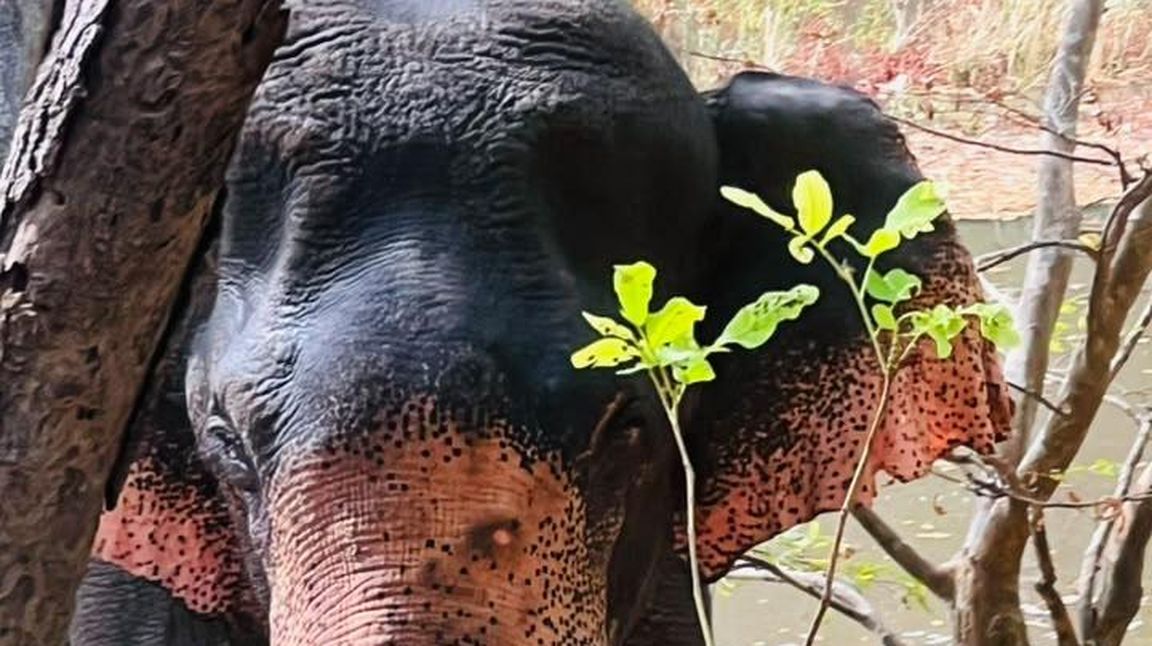
Yala is the famous one - the highest leopard density in the world and a dramatic mix of scrub, lagoon and beach. Udawalawe is all about elephants, with open plains that make sightings almost guaranteed. Minnerya and Kaudulla stage the great dry-season gatherings, and Wilpattu stays quiet and wild for travelers who want the park almost to themselves.
Why A Private Jeep Matters
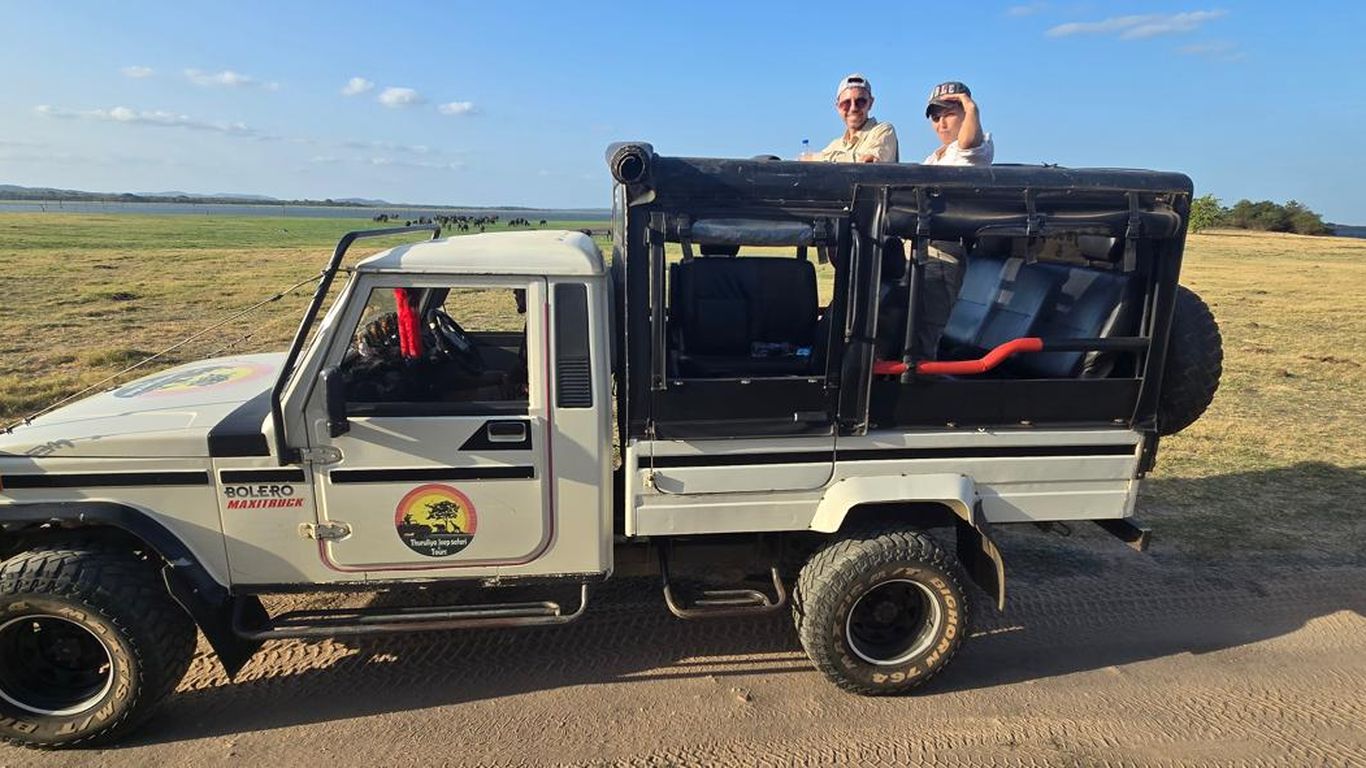
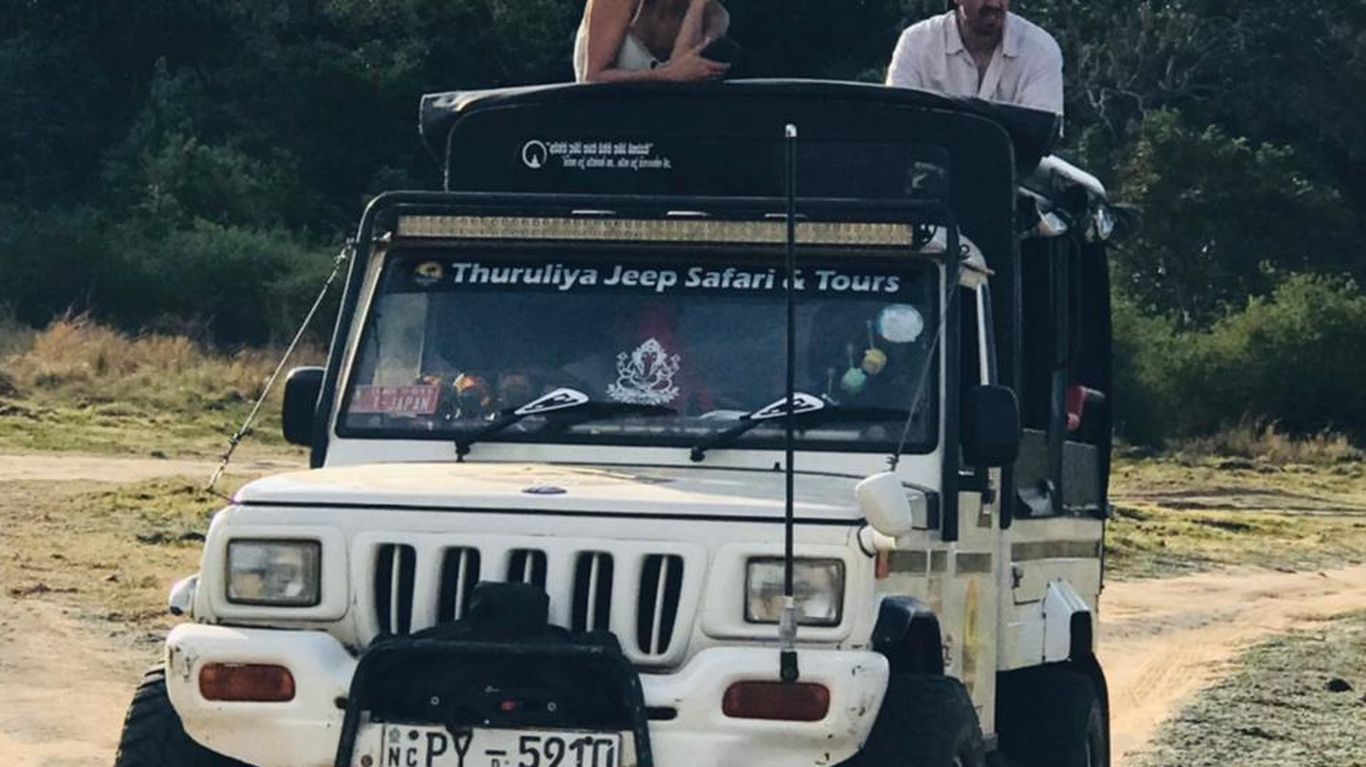
Shared jeeps mean shared schedules: fixed departure points, crowded viewing angles and a driver who must keep moving. A private jeep is yours alone - you decide the start time, you stay with an elephant herd as long as you like, and you can chase the sighting that everyone else drove past. Fewer seats also mean the park fees split more ways, so a family or couple often pays less per person.
- Early morning (around 5:30 AM) and late afternoon (around 2:30 PM) drives catch animals at their most active.
- Book the permit and jeep together so your entry is confirmed before you travel.
- Bring water, a hat and a light layer - open jeeps get cool before sunrise.
The bush keeps its own timetable. Be at the gate before the light, stay when the herd settles, and the park repays the patience that most itineraries never allow.
Game drives run in the two windows when animals move: early morning from around 5:30 AM and late afternoon from around 2:30 PM. Mornings are cool and golden, afternoons warmer and busier at the waterholes. Your pickup time is confirmed the night before, so nobody is scrambling in the dark.
Practical Tips For Safari Days
Small preparations that make a long day in the jeep far better:
- Sleep early the night before - a 4:45 AM pickup comes after a short night, not a full one.
- Layer up: open jeeps are genuinely cold before sunrise and hot by mid-morning.
- Pack binoculars, a refillable water bottle, sunscreen and insect repellent in a compact day bag.
- Wear muted colors - khaki, olive and brown stay less visible to wildlife than black or white.
- Carry small cash for park fees, tips and the roadside tea stop on the way home.
Wildlife days are the ones you will retell for years, and they are worth booking with people who wait for the sighting. Private jeeps, guides who read the tracks, and zero cancellation fees up to two days before the drive - arranged from Sigiriya, confirmed the evening before.
Frequently Asked Questions
Yala is the top choice for leopards and a classic first safari, while Udawalawe is the most reliable for elephant sightings. If you travel in the dry months, Minnerya and Kaudulla offer huge elephant gatherings on open plains.
A private jeep is priced per vehicle rather than per person, and park entry fees are added on top. Because the cost splits across your group, two to six travelers usually pay less per person than on a shared jeep.
Wildlife viewing runs year-round, but the dry months from June to September and December to March concentrate animals around water holes. Parks in the north and east are at their best in this window, while the south stays greener.
A standard game drive runs three to four hours, usually starting at dawn or in the late afternoon when animals move. Full-day drives with a packed lunch are possible in the larger parks like Yala and Wilpattu.
Yes - most parks sit within two to four hours of major stops, so a safari pairs naturally with Sigiriya, Dambulla or a coastal town. Your planner builds the drive times in so the day never feels rushed.
Looking for anything else? Browse all common questions.