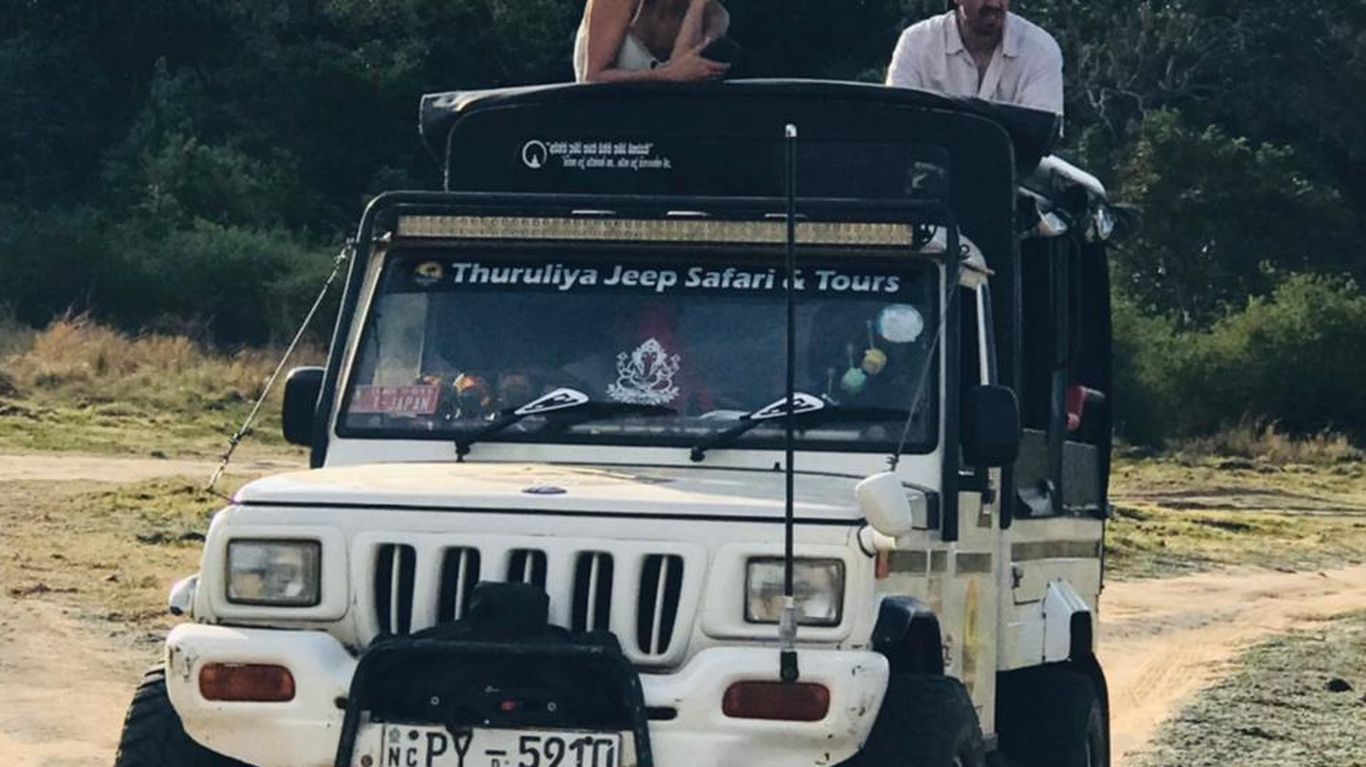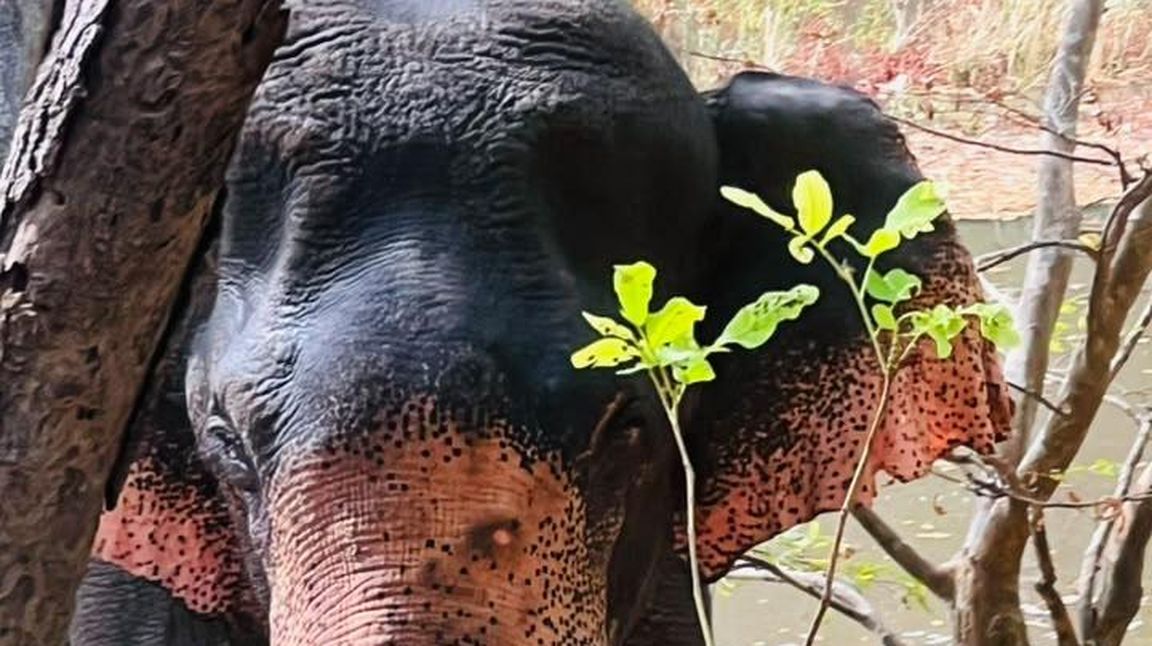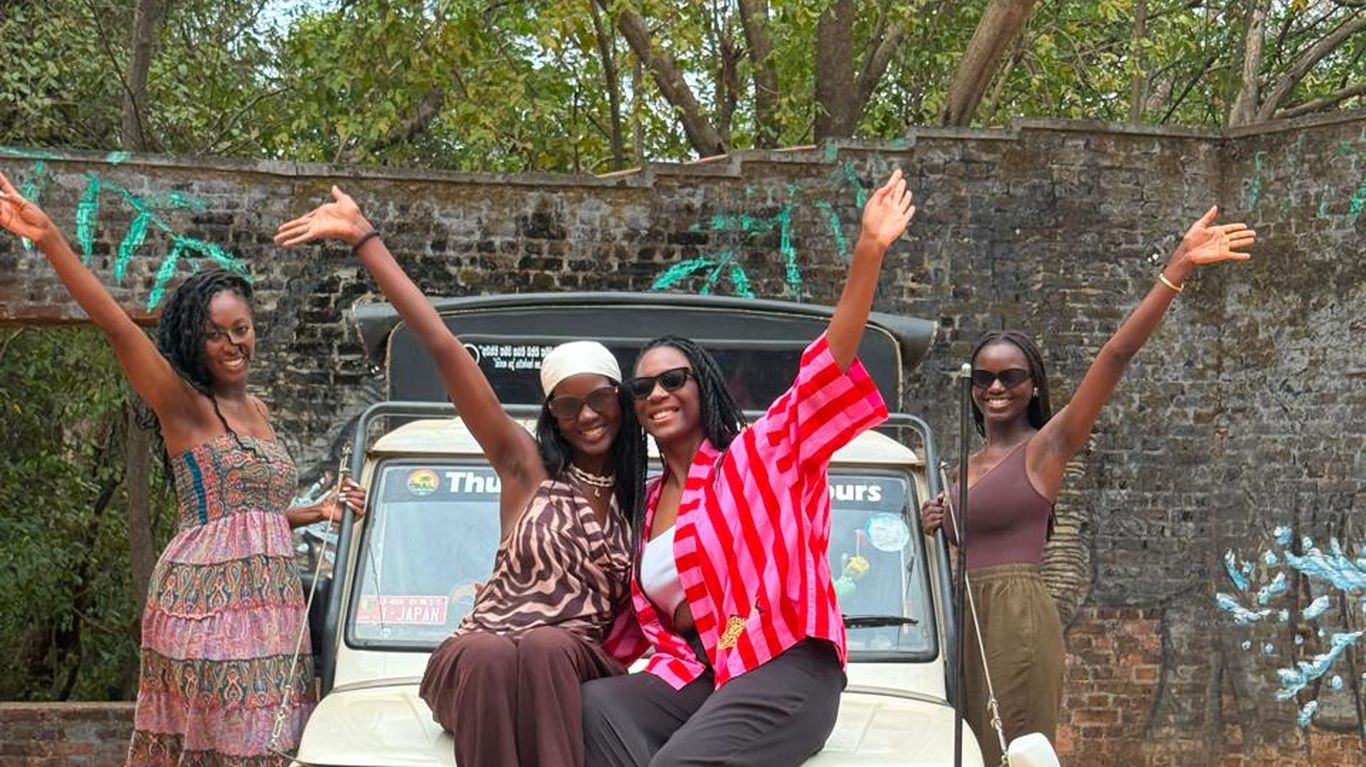
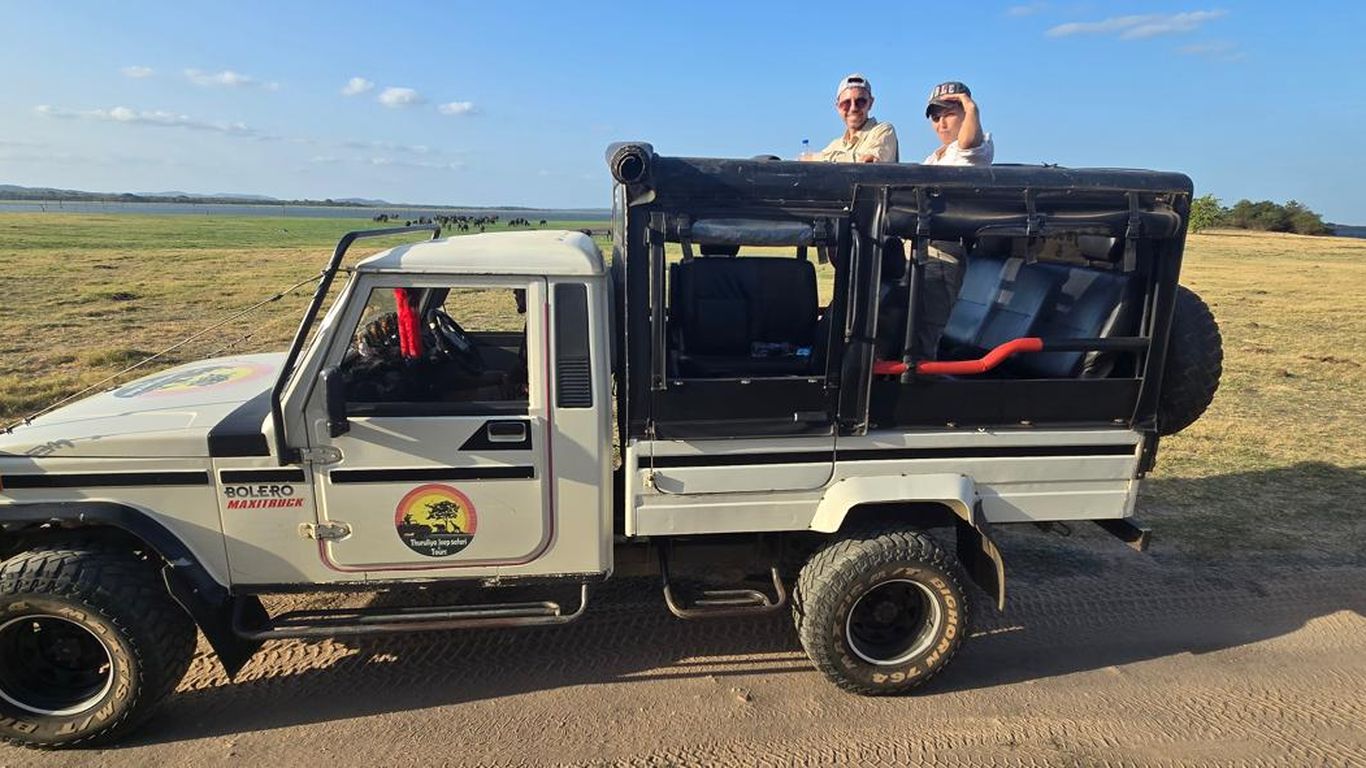
A safari day is long, dusty and worth every minute, and the line between a comfortable game drive and a miserable one is almost always drawn the night before. The jeep supplies wind, wheels and a guide; everything else - the dust, the sun on your neck, the cold before sunrise - is on you. This guide is the short list worth throwing into the day bag.
Layers come first: pre-dawn pickups around 5:30 AM are genuinely cool in the hills and shoulder seasons, while midday returns bake in the open sun. Muted colors keep you invisible to wildlife, binoculars change every sighting more than any camera upgrade, and small rupee notes cover park fees and roadside tea. Pack the bag the evening before, leave the suitcase at the hotel, and the only thing you think about all day is what stepped out of the scrub.
Pack The Bag The Night Before
Everything that ruins a game drive fits in one category: things you meant to grab at 4:45 AM. Fill a compact day pack with layers, a hat, binoculars, water, repellent and small notes the evening before, and the pre-dark pickup becomes a coffee stop instead of a scramble through the hotel lobby.
A safari day is long, dusty and worth every minute - and the difference between a comfortable game drive and a miserable one is almost always what you packed the night before. The jeep gives you wind and dust; everything else is on you.
Start with layers. Pre-dawn departures around 5:30 AM are genuinely cool in the hills and shoulder seasons, while midday returns bake in the sun. Muted colors - khaki, olive, brown - keep you less visible to wildlife than black, white or bright patterns.
The Day Bag Essentials
- Light long sleeves and a hat for sun, dust and insects.
- Binoculars - the single upgrade that changes every sighting.
- Camera with a zoom; a teleconverter helps in the golden first hour.
- Refillable water bottle, sunscreen and insect repellent.
- Cash for park fees, tips and roadside tea; a light rain layer in shoulder season.
- Any medication you need, plus a power bank for the long day.
Leave the big suitcase at the hotel - jeeps have limited space and loose bags rattle. A compact day pack keeps everything at your feet while the guide tracks fresh pugmarks down the track.
The bush keeps its own timetable. Be at the gate before the light, stay when the herd settles, and the park repays the patience that most itineraries never allow.
Game drives run in the two windows when animals move: early morning from around 5:30 AM and late afternoon from around 2:30 PM. Mornings are cool and golden, afternoons warmer and busier at the waterholes. Your pickup time is confirmed the night before, so nobody is scrambling in the dark.
Practical Tips For Safari Days
Small preparations that make a long day in the jeep far better:
- Sleep early the night before - a 4:45 AM pickup comes after a short night, not a full one.
- Layer up: open jeeps are genuinely cold before sunrise and hot by mid-morning.
- Pack binoculars, a refillable water bottle, sunscreen and insect repellent in a compact day bag.
- Wear muted colors - khaki, olive and brown stay less visible to wildlife than black or white.
- Carry small cash for park fees, tips and the roadside tea stop on the way home.
Wildlife days are the ones you will retell for years, and they are worth booking with people who wait for the sighting. Private jeeps, guides who read the tracks, and zero cancellation fees up to two days before the drive - arranged from Sigiriya, confirmed the evening before.
Frequently Asked Questions
Wear light, neutral-colored layers that cover arms and legs - khaki or olive hides dust and deters insects. Add a hat, closed shoes and a wind layer for the pre-dawn start; bright white and dark colors are best avoided.
Yes - binoculars are the most valuable thing in your day bag, turning distant silhouettes into detailed sightings. Your guide will often have a spare pair, but a personal set means you never miss the moment while waiting your turn.
A basic pair doubles the experience - distant leopards and birds resolve into actual sightings rather than shapes. If you do not own any, the guide often has a spare pair to borrow for the drive.
Sunscreen, a hat, a light long-sleeve layer for the dawn start, insect repellent and a refillable water bottle cover the essentials. A small dry bag keeps dust off phones and cameras on unpaved tracks.
Not at all - phones capture most safari moments fine, since animals often come close to the jeep. A lens above 200mm helps for distant sightings, but the light moves fast at dawn, so ease of shooting beats pixel count.
Looking for anything else? Browse all common questions.