Elephants are everywhere in Sri Lanka's story - in temples, in kings' chronicles, on the flag - and travelers naturally want to meet them. The good news is that the island's best elephant experiences happen on the animals' terms, in the wild, where watching beats riding every time. Parks such as Udawalawe, Minneriya and Yala offer herds grazing, bathing and crossing the tracks with no chains and no shows.
The choice matters more than it used to. Rides, painting shows and venues where elephants stand tethered in one spot fund themselves from exactly the contact that harms the animals, while feeding and bathing programs with clear conservation work are a fair secondary choice when the funding is visible. This guide shows how to tell the two apart, what to ask before you pay, and why a private jeep that can hang back at a herd turns a sighting into an encounter.
Watching Beats Riding Every Time
The simplest test for any elephant venue: are the animals free to move, and are they doing it themselves? Wild sightings in a national park pass automatically. Chains, tethered stands, tricks and painted toenails fail on sight. Choose experiences where the elephant sets the terms and the visit funds the land it lives on.
Elephants are everywhere in Sri Lanka's story - in temples, in kings' chronicles, on the flag - and travelers naturally want to meet them. The good news: the island's best elephant experiences happen on the animals' terms, in the wild, where watching beats riding every time.
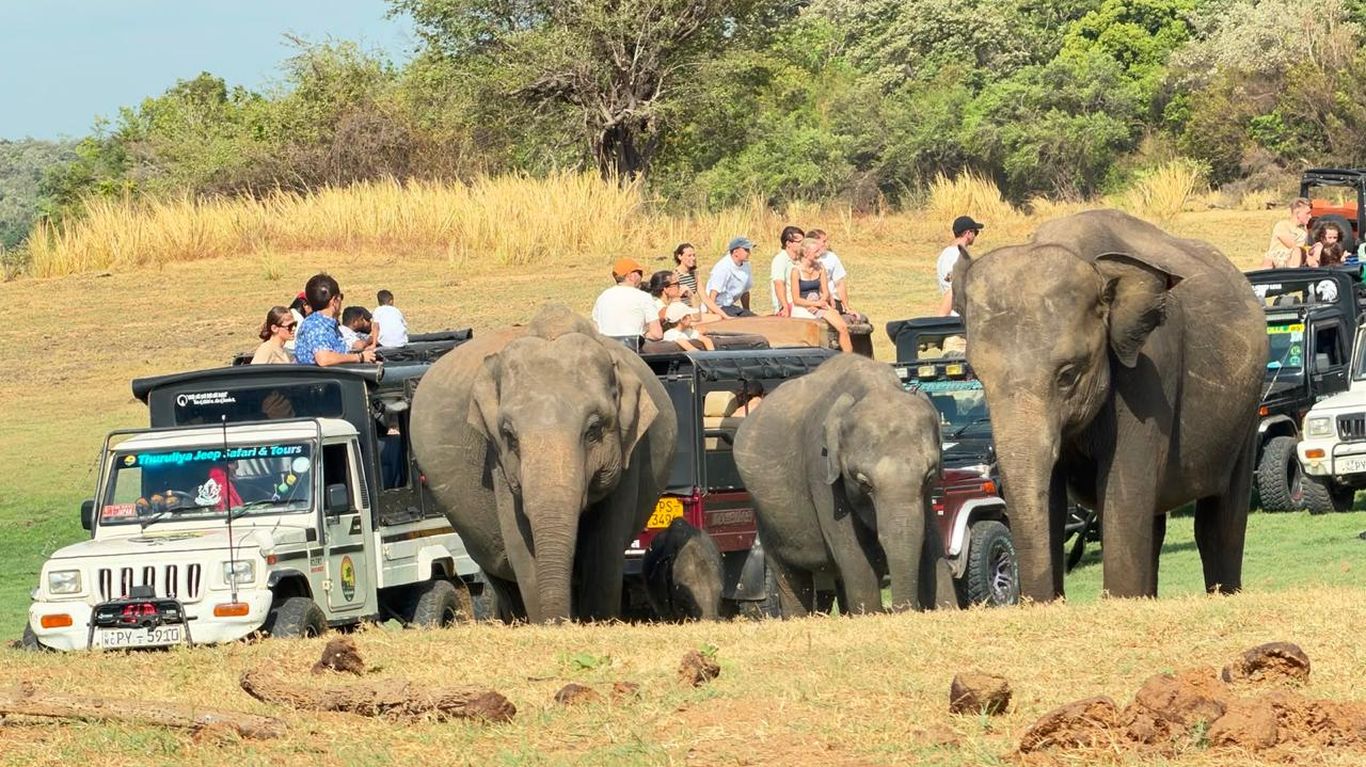
National parks such as Udawalawe, Minnerya and Yala are the gold standard: herds grazing, bathing and crossing tracks with no chains, no shows and no forced contact. Feeding and bathing programs with clearly explained conservation work are a reasonable secondary choice when run transparently.
Choosing The Right Experience
- Favor wild sightings on safari - the animals choose when and how you see them.
- Skip rides, painting shows and any venue where elephants stand tethered in one spot.
- Ask how rescued animals are funded and how much land they have to roam.
- Keep distance even in the wild: a jeep between you and a bull elephant is the rule, not a suggestion.
A private jeep again makes the difference - you can hang back at a herd for twenty minutes instead of being shuffled along, and your guide reads body language long before the elephant does.
The hours you remember are rarely the ones printed on the ticket: the walk up to the shrine, the lunch with the family, the first elephant stepping out of the trees on its own schedule.
Days here move around the sun. Sigiriya's gates open at 6 AM and the first two hours beat both the heat and the crowds, temples are quietest between puja sessions, and village kitchens start cooking as the afternoon cools. Start times can be shifted to match the climb or the heat, but every shrine keeps its dress code whatever hour you arrive.
Practical Tips For Days Out
A few courtesies and habits that keep every experience easy and welcome:
- Carry a light sarong or scarf for temple visits - shoulders and knees covered at every shrine.
- Start climbs and outdoor sites at opening, before the heat and the day crowds arrive.
- Bring mosquito repellent, a hat and cash for anything bought directly from a family.
- Keep a respectful distance from wildlife, even from a jeep - the animals set the range.
- Confirm start times the night before, especially for early temple and climb mornings.
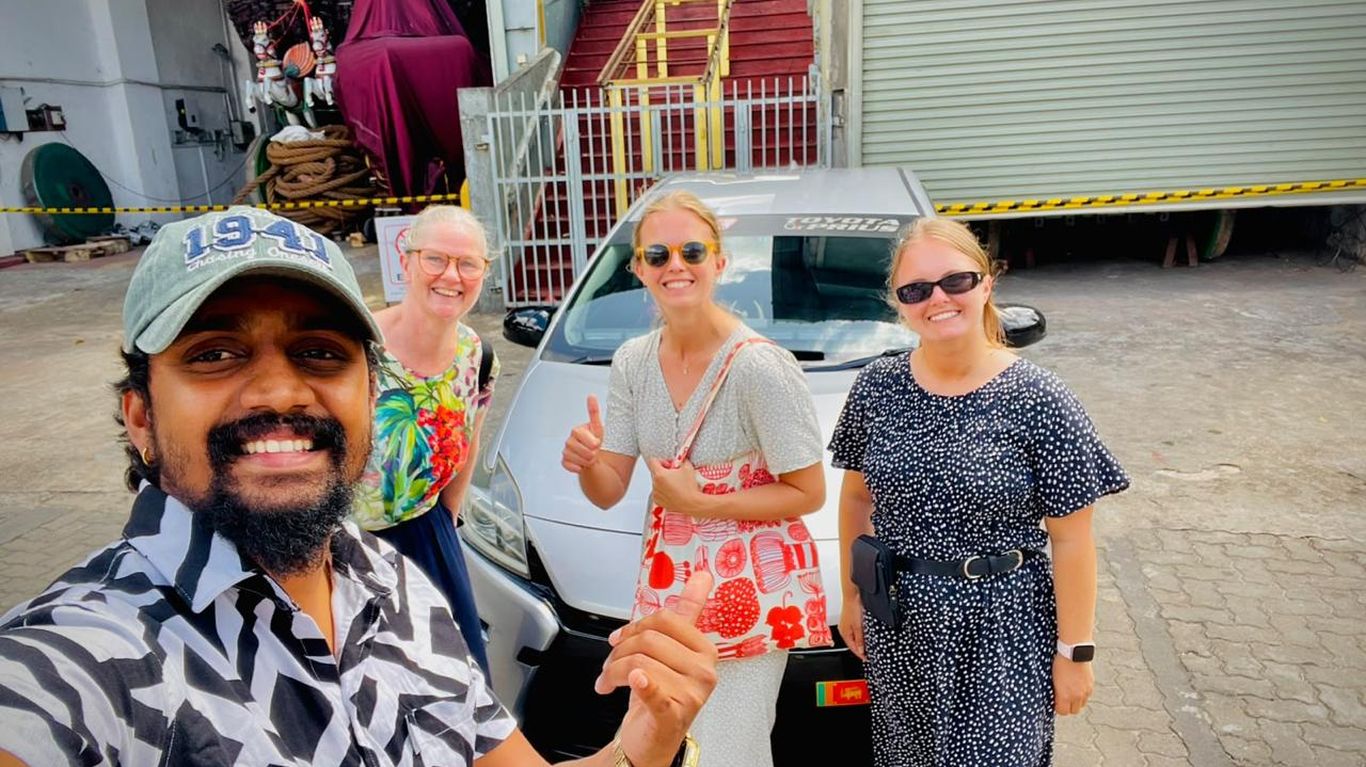
Experiences are better with people who live here and treat the day as yours. Private arrangements set your own pace, zero cancellation fees run up to two days before, and nothing is paid until the day has actually happened - which leaves you free to enjoy it.
Frequently Asked Questions
National parks are the best choice - Udawalawe for reliable herds, Minnerya and Kaudulla for dry-season gatherings, and Yala for elephants alongside other big game. Wild sightings support conservation and involve no contact, rides or performances.
Yes - rides and shows typically require chained or repeatedly worked animals. Ethical alternatives are jeep safaris, observation from a distance and reputable sanctuaries that let elephants roam, bathe and forage on their own schedule.
A handful of genuine sanctuaries observe elephants from a distance without rides, tricks or bathing shows. Look for places that limit crowds, keep elephants in open space and explain their rescue story openly - riding is never part of it.
National parks like Udawalawe, Minneriya and Yala hold free-roaming herds you can watch from a jeep at a respectful distance. River banks near town limits also host elephants at dusk, best seen with a local guide.
Rides, painting sessions, circuses and forced bathing photo ops all require training that harms the animal. If the show puts the elephant in a performance role for tourists, skip it and choose observation instead.
Looking for anything else? Browse all common questions.