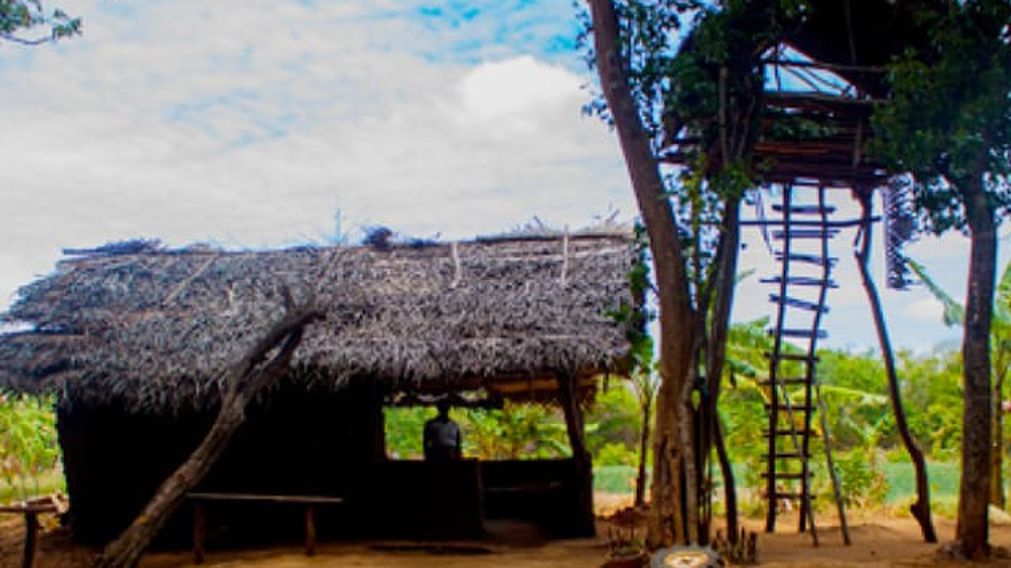
A village tour is the day a packed itinerary needs: a few slow hours around Sigiriya, Dambulla or Kurunegala where the transport is a bullock cart, lunch cooks in a clay pot, and nobody is checking the clock. This is not a performance staged for visitors - the paddy fields, the well and the kitchen belong to a real working village, and the family hosting you lives there all year.
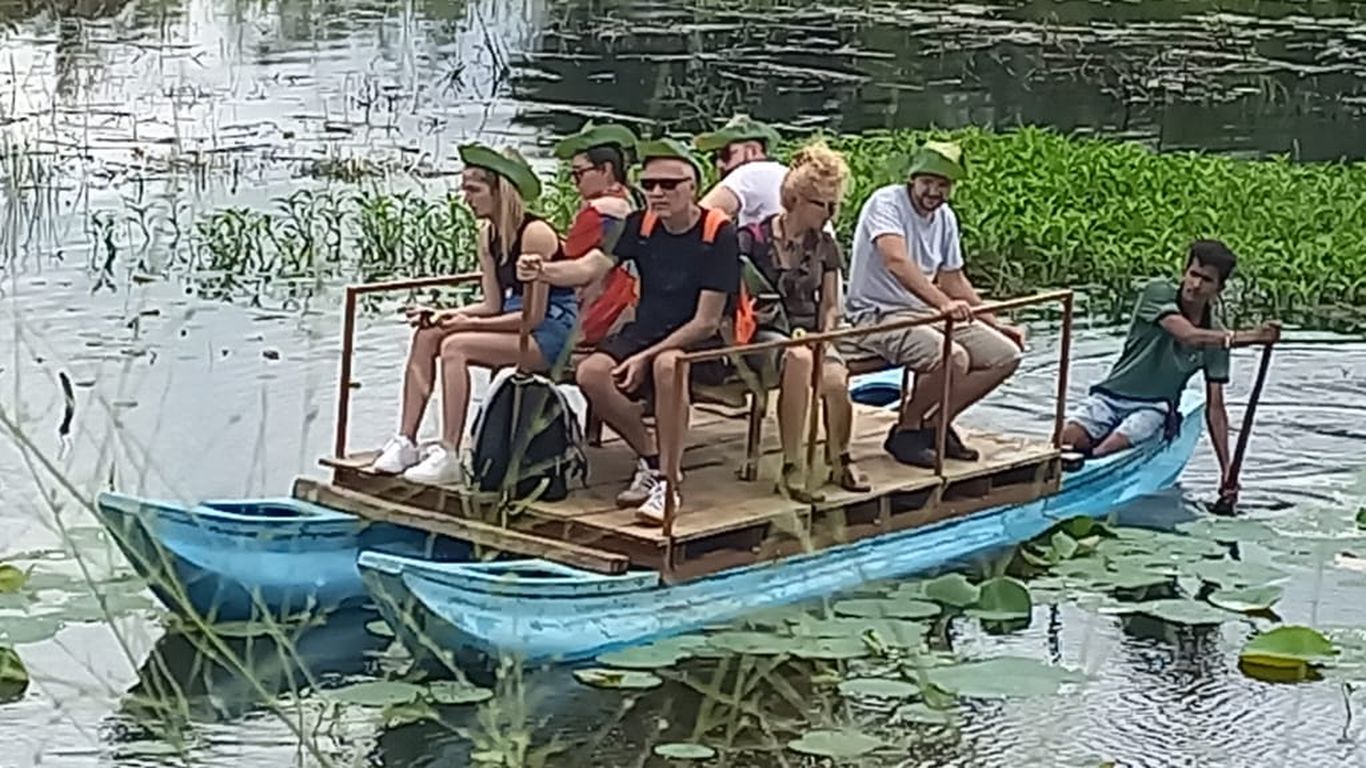
The day moves in chapters: a boat ride across a village lake while herons work the shallows, a cart through the fields, then the kitchen, where coconut is scraped and curry bubbles over wood fire. You eat what you helped carry and cook, under the trees, with three generations of one family. Tours run as a half or full day, pair easily with an afternoon at Sigiriya Rock, and every rupee spent on crafts goes straight to the household.
You Eat What You Helped Make
The lunch is the point of the whole day: the family cooks the same meal they would cook for themselves, from ingredients carried in that morning, and you are in the kitchen while it happens. Bring mosquito repellent, a hat and small rupee notes - anything you buy directly from the family keeps the day's money in the village.
The village tour is the antidote to a packed itinerary - a slow, hands-on day in the countryside around Sigiriya, Dambulla or Kurunegala where the transport is a bullock cart, the lunch is cooked in a clay pot, and nobody is checking the time.
A typical day moves in chapters: a boat ride across a village lake while herons work the shallows, a tractor or cart ride through paddy fields, then the kitchen - coconut scraped, rice steamed, curry bubbling over wood fire. You eat what you helped make, under the trees, with three generations of one family.
What Makes A Village Tour Special
- Small groups only - private arrangements mean your family sets the pace, not a coach schedule.
- Real activities: ploughing demos, pot making, toddy tapping and rice planting in season.
- Home-cooked lunch built from ingredients you carried in yourself.
Tours usually run a half or full day and pair perfectly with an afternoon at Sigiriya Rock. Bring mosquito repellent, a hat and cash for anything you want to buy directly from the family - every rupee stays in the village.
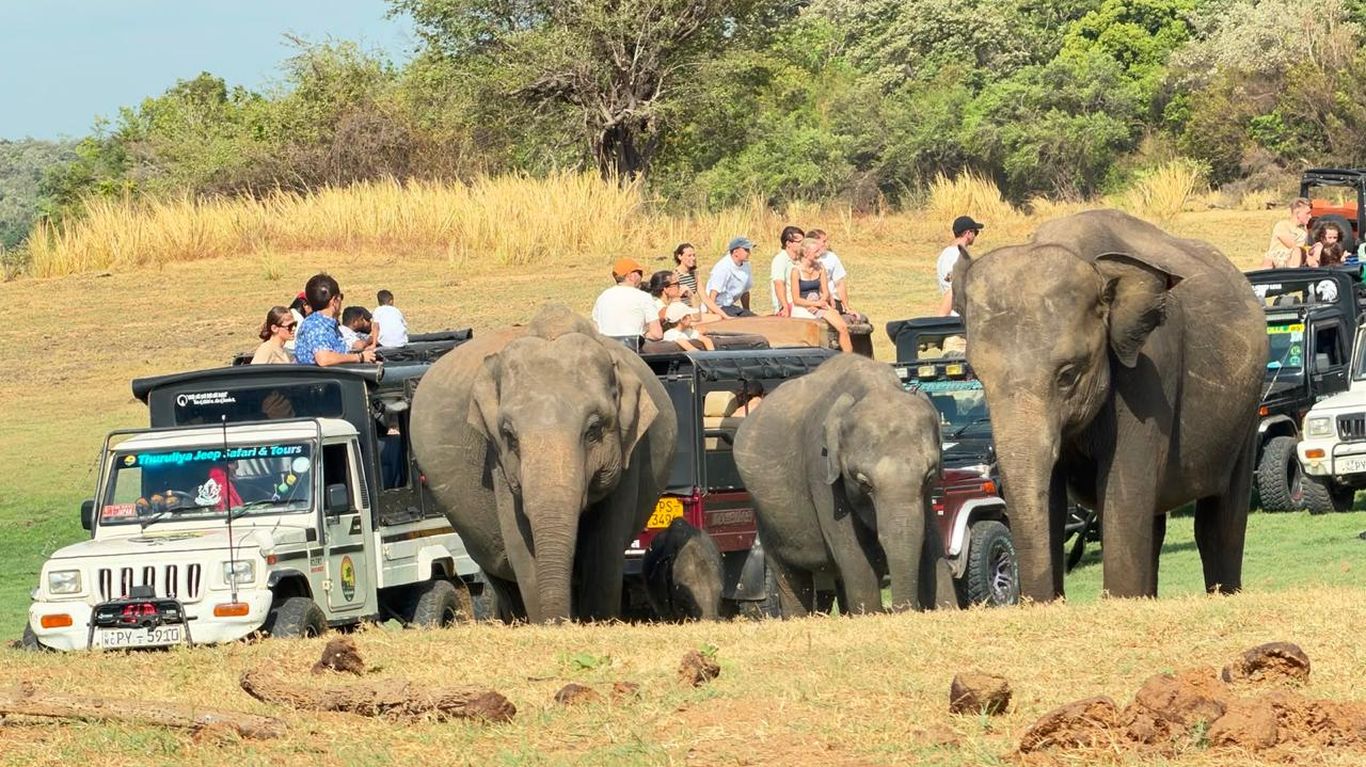
The hours you remember are rarely the ones printed on the ticket: the walk up to the shrine, the lunch with the family, the first elephant stepping out of the trees on its own schedule.
Days here move around the sun. Sigiriya's gates open at 6 AM and the first two hours beat both the heat and the crowds, temples are quietest between puja sessions, and village kitchens start cooking as the afternoon cools. Start times can be shifted to match the climb or the heat, but every shrine keeps its dress code whatever hour you arrive.
Practical Tips For Days Out
A few courtesies and habits that keep every experience easy and welcome:
- Carry a light sarong or scarf for temple visits - shoulders and knees covered at every shrine.
- Start climbs and outdoor sites at opening, before the heat and the day crowds arrive.
- Bring mosquito repellent, a hat and cash for anything bought directly from a family.
- Keep a respectful distance from wildlife, even from a jeep - the animals set the range.
- Confirm start times the night before, especially for early temple and climb mornings.
Experiences are better with people who live here and treat the day as yours. Private arrangements set your own pace, zero cancellation fees run up to two days before, and nothing is paid until the day has actually happened - which leaves you free to enjoy it.
Frequently Asked Questions
A village tour combines a boat ride on a village lake, a bullock cart or tractor ride through paddy fields, hands-on activities such as clay pot making, and a home-cooked lunch prepared over a wood fire. Tours run as half-day or full-day private experiences.
Yes. The slow pace, animal rides and open space suit families well, and private arrangements let you shorten or extend any part of the day. Children can join the cooking, feed the cattle or simply rest in the shade between activities.
Light, modest clothing that can get splashed, plus shoes you do not mind removing at the house. You will wade through shallow water and sit on the floor for the meal, so quick-dry fabrics work best.
Most half-day tours run three to four hours, usually in the morning or late afternoon to avoid the midday heat. Full-day versions add a longer boat ride, a farming session and a relaxed multi-course lunch.
A day's notice is usually enough, but booking ahead guarantees a local family is expecting you and lets them shop for the meal. Rainy days shift the boat routes, so a flexible plan helps.
Looking for anything else? Browse all common questions.