Sri Lanka's temples are living places of worship, not museums - and a little respect buys you a warmer welcome than any ticket ever could. The rules are few, applied consistently across the island, and easy to honor once you know them before you arrive. Shoulders and knees covered, shoes off at the entrance, voices low inside the halls: that covers most of what a visit asks of you.
Beyond the basics sit the smaller courtesies that mark a thoughtful visitor: feet tucked away from statues and monks, photos only where signs allow, walking clockwise around sacred objects, and a flower or small note at the altar. A light scarf in the day bag solves almost any dress surprise. This guide gathers the dress code, the gestures and the timing - including why arriving between puja sessions at Kandy's Temple of the Tooth gives you the silence instead of the crowd.
Carry A Sarong, Skip The Search
Dress rules catch well-meaning visitors out more than any other temple custom - shoulders and knees for everyone, shoes and hats at the entrance. Keep a light sarong or scarf in the day bag and the problem never arises: you cover up in seconds, walk in welcomed, and leave having met the place as a worshipper would expect.
Sri Lanka's temples are living places of worship, not museums - and a little respect buys you a warmer welcome than any ticket ever could. The rules are few, consistently applied and easy to honor once you know them before you arrive.
Dress covers shoulders and knees for everyone; a sarong or light scarf in the day bag solves almost any surprise. Shoes and hats come off at the entrance, bags go left at the foot of the steps, and photos are fine everywhere except where a sign says otherwise - usually facing the Buddha image directly.
Temple Manners At A Glance
- Remove shoes and socks before entering any shrine or image house.
- Sit with feet tucked away from statues and monks - soles should not point at anyone.
- Offer flowers or incense at the altar if you wish; small notes fit the donation box.
- Walk clockwise around sacred objects and keep voices low inside the halls.
Sacred sites like the Temple of the Tooth in Kandy or the cave temples at Dambulla draw large crowds at puja times - arriving between sessions gives you space, silence and the smell of oil lamps without the press of bodies.
The hours you remember are rarely the ones printed on the ticket: the walk up to the shrine, the lunch with the family, the first elephant stepping out of the trees on its own schedule.
Days here move around the sun. Sigiriya's gates open at 6 AM and the first two hours beat both the heat and the crowds, temples are quietest between puja sessions, and village kitchens start cooking as the afternoon cools. Start times can be shifted to match the climb or the heat, but every shrine keeps its dress code whatever hour you arrive.
Practical Tips For Days Out
A few courtesies and habits that keep every experience easy and welcome:
- Carry a light sarong or scarf for temple visits - shoulders and knees covered at every shrine.
- Start climbs and outdoor sites at opening, before the heat and the day crowds arrive.
- Bring mosquito repellent, a hat and cash for anything bought directly from a family.
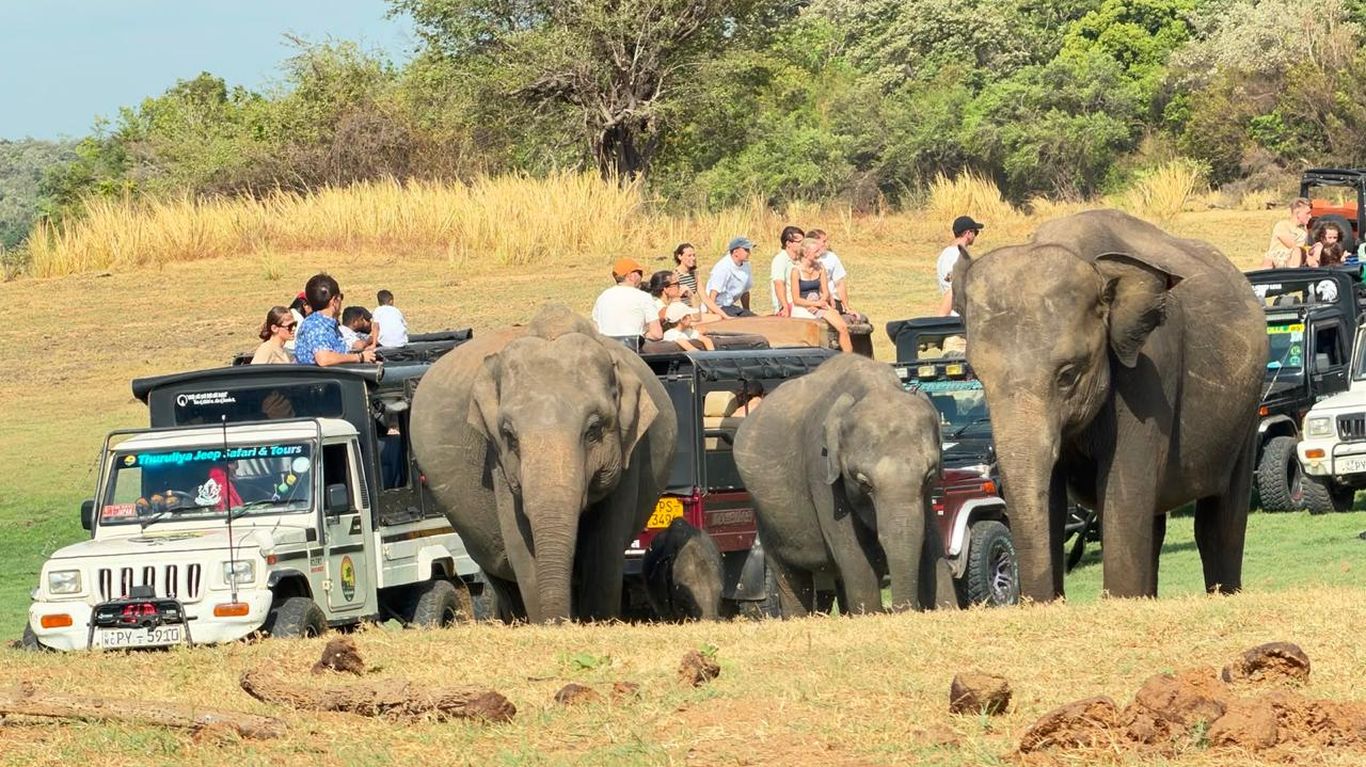
- Keep a respectful distance from wildlife, even from a jeep - the animals set the range.
- Confirm start times the night before, especially for early temple and climb mornings.
Experiences are better with people who live here and treat the day as yours. Private arrangements set your own pace, zero cancellation fees run up to two days before, and nothing is paid until the day has actually happened - which leaves you free to enjoy it.
Frequently Asked Questions
Clothes that cover shoulders and knees for men and women alike. Carry a light scarf or sarong to wrap over shorts or sleeveless tops, since some temples will turn visitors away or lend a wrap at the entrance.
Yes, visitors are welcome at temples across the country. Remove shoes and hats, dress modestly, avoid pointing your feet at statues or monks, and follow any photography signs - respectful conduct is the only requirement.
Yes - shoes come off before entering any shrine hall, and socks are usually fine to keep. Some temples provide small baskets at the entrance, and it helps to wear slip-on shoes for easy removal.
Photography is generally allowed in outer halls but not of Buddha statues from close range or during chanting. Always look for signage and ask a monk before shooting - a quick gesture works when words do not.
Never point your feet at a Buddha image or a monk, do not touch or turn your back on sacred statues for selfies, and keep voices low. Women do not touch monks, and offerings are placed with the right hand.
Looking for anything else? Browse all common questions.