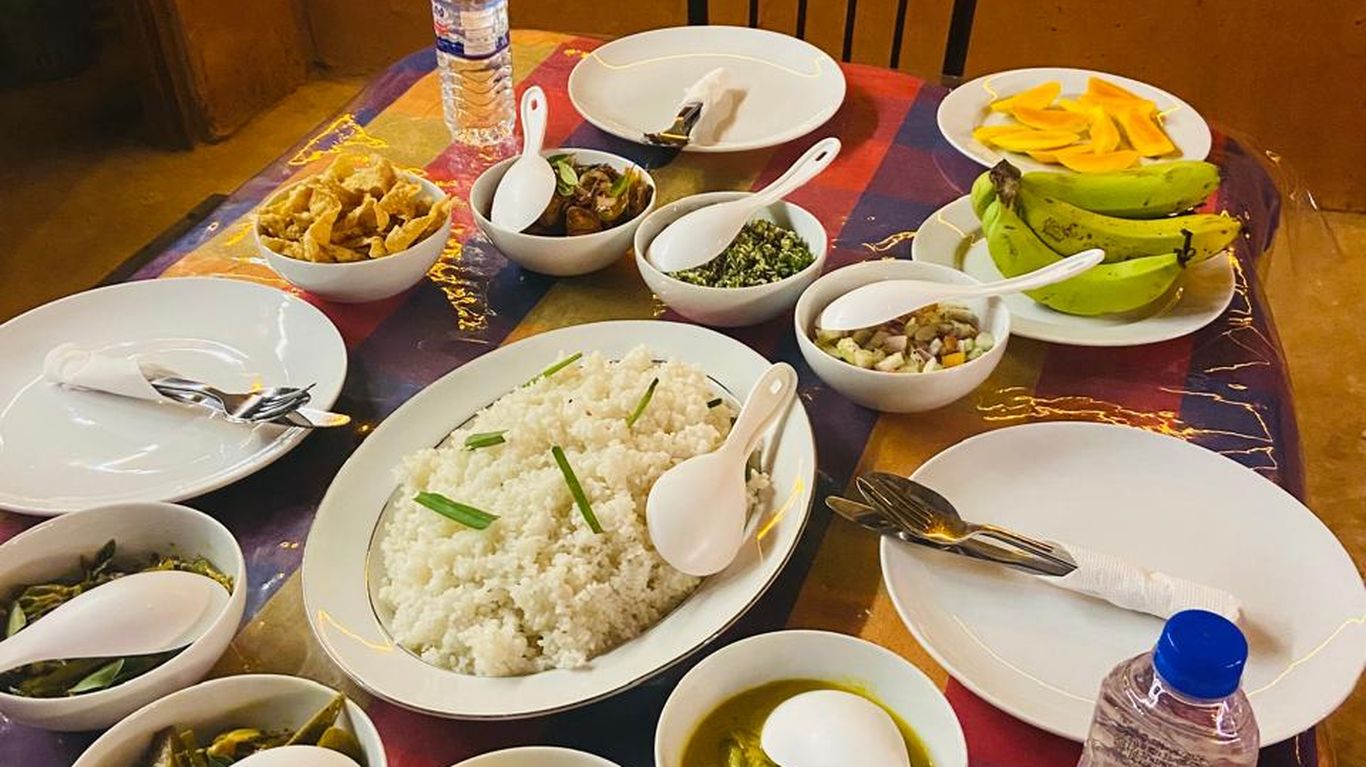
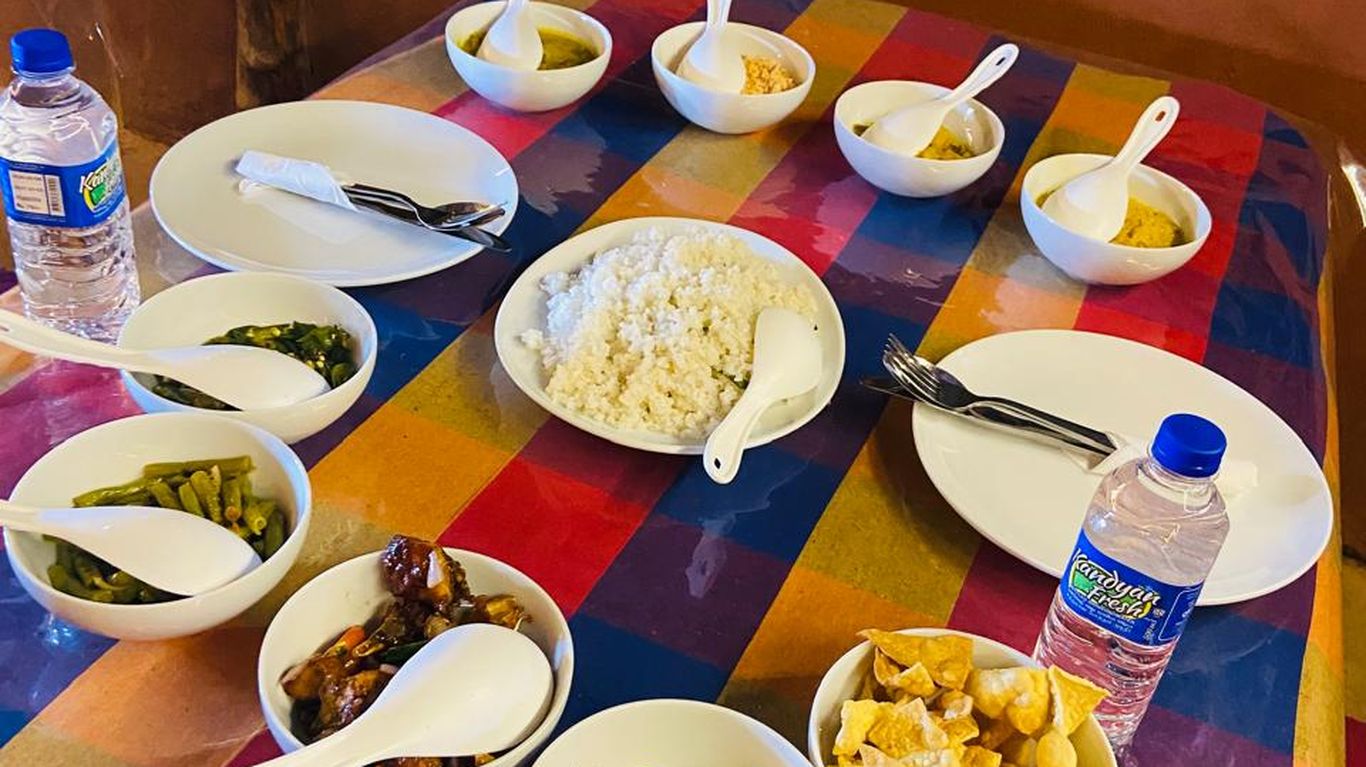
A cooking class in Sigiriya puts you inside a working Sri Lankan kitchen rather than behind a demonstration counter. Mornings usually start at the village market, where your host picks coconut, curry leaves, pandan and chilies by smell and season, and you learn what each ingredient actually does once it hits the pan. The rest of the day is hands-on: grinding spices on the stone, tending the rice, building three or four dishes at once.
Classes run at a human pace and finish at the family table, where everything you cooked lands on one plate for lunch. Small groups keep it personal, vegetarian versions are ready on request, and the recipes travel home with you afterwards. Because the heat of the day is the quiet hours in a village anyway, the class slots neatly around a morning climb of Sigiriya Rock - and, like everything we arrange, you pay only when the meal is over.
You Cook The Whole Spread
What surprises most guests is the pace: rice goes on first, then three or four curries build in parallel while the coconut is still being scraped. Sri Lankan cooking is a sequence, not a single pot. Learn the order the dishes hit the pan and you can rebuild the whole meal at home.
A cooking class in Sigiriya is less a lesson and more a day inside a Sri Lankan kitchen. Most begin at the local market, where you walk the stalls with your host and learn to pick coconut, curry leaves, pandan and the bright red chilies that define the island's food.
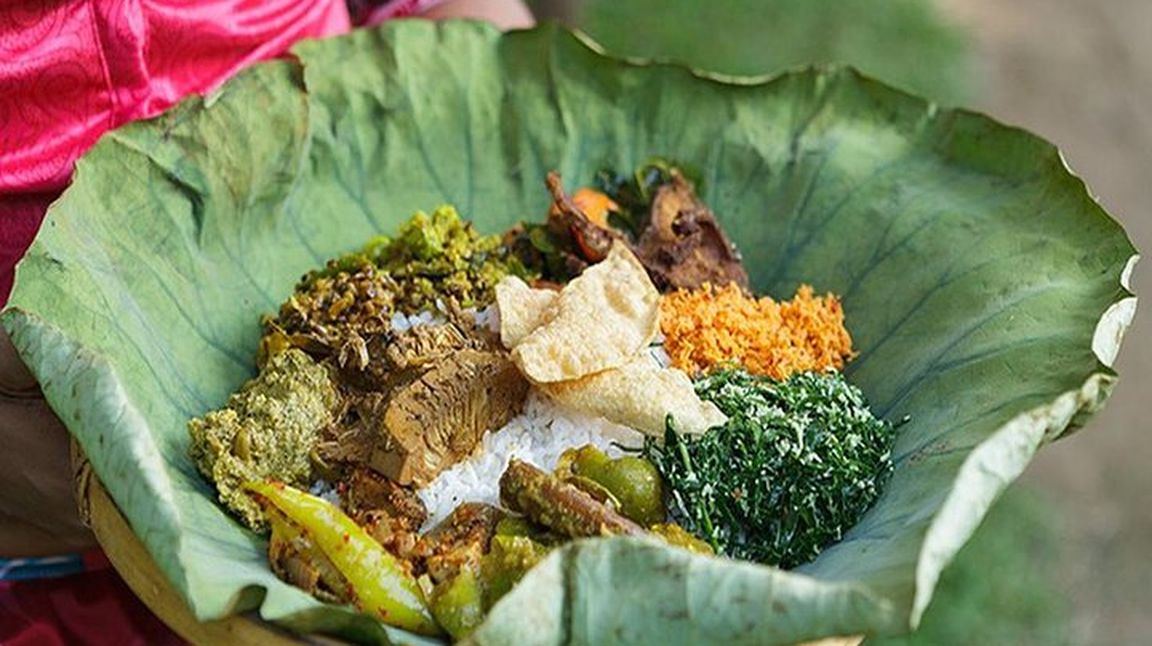
Back at the house, the real work starts. Rice goes on first, then the curry - ground spices on a granite stone, coconut scraped by hand, jackfruit and banana leaves prepped while the pan heats. You cook three or four dishes at once, the way a Sri Lankan kitchen actually runs, and everything lands on one plate for lunch.
The Class Around The Meal
- Morning market walk with your host, learning the ingredients by smell and season.
- Hands-on spice grinding and preparation of rice, dhal, a meat or fish curry and a mallung salad.
- Sit-down lunch with the family, plus recipes sent to you afterwards so the dishes travel home.
Classes fit neatly around the heat of the day and can be timed around your Sigiriya Rock climb. They run for small groups, are fully vegetarian on request, and - like everything we arrange - you pay only when the class is over.
The kitchen says more about a place than any guidebook: who scrapes the coconut, when the curry leaves go in, and how long the family has eaten at the same table.
Cooking days follow the kitchen's clock rather than the tour bus's. Markets are liveliest in the morning, classes start mid-morning and run three to five hours straight through the heat of the day, and street stalls fire up in the evening once the sun drops. Start times flex around your other plans - a market walk pairs naturally with an afternoon climb.
Practical Tips For Eating Well
Habits that keep every meal on the island simple, safe and memorable:
- Eat where the queue is - fast turnover means fresh batches coming off the pan.
- Order what cooks hot in front of you, and peel your own fruit where you can.
- Carry small rupee notes; roadside stalls rarely have change for big bills.
- Give your stomach a day or two before going wide, and stick to bottled or filtered water.
- Ask for the recipes after a class - the dishes are meant to travel home with you.
Food is where the island lets you in, and it is best shared with people who cook it every day. Classes run in small groups with zero cancellation fees up to two days before, nothing paid until the meal is finished, and a family table waiting at the end of it.
Frequently Asked Questions
Most classes run three to five hours, starting with a market visit and ending with a shared lunch. Start times are flexible, so you can combine a morning class with an afternoon climb of Sigiriya Rock.
None at all. Hosts demonstrate every step, from grinding spices on a stone to balancing coconut milk in the curry, and the pace adjusts to your group. Children and complete beginners are equally welcome.
Classes typically cover a full rice and curry spread - dhal, a coconut-based vegetable curry, sambol and a proper cup of Ceylon tea. Many classes start with a market walk to pick the day's ingredients.
Yes. Sri Lankan cuisine is rich in vegetable dishes, and hosts happily adapt the menu when you mention dietary needs while booking. Jain and gluten-free versions can usually be arranged too.
Children are welcome in most village kitchens and enjoy the market visit and grinding spices more than the actual cooking. Classes are hands-on but low-risk - no open flame work is required of guests.
Looking for anything else? Browse all common questions.