The best food in Sri Lanka costs almost nothing and comes off a cart. Short eats fresh from the fryer, hoppers ladled to order at dawn, kottu hammered together at midnight: eating at the counter is how locals eat, and how travelers remember a trip. Eating safely at those same counters is a smaller skill than it looks - a handful of rules that hold from Colombo to the smallest town.
The rules are simple: choose stalls with a queue of locals and fast turnover, order what cooks hot in front of you rather than what sits in a display case, peel your own fruit, and drink only bottled or filtered water. Carry small notes, start conservatively while your stomach adjusts over two days, then go wider. This guide lists the safest picks, the right hours for each stall, and what to look for before you order.
Let The Queue Choose For You
The most reliable food safety signal in Sri Lanka is not a rating or a sign - it is a crowd. Stalls that turn customers fast cook fresh batches constantly, which means hot oil, fresh batter and nothing sitting out. Find the line of local drivers, order what is coming off the griddle, and the other rules take care of themselves.
The best food in Sri Lanka costs almost nothing and comes off a cart. Short eats - rolls, cutlets, vadai - fresh from the fryer, hoppers ladled to order at dawn, kottu hammered together at midnight: eating at the counter is how locals eat, and how travelers remember a trip.
The safety rules are simple and work everywhere: choose stalls with a queue of locals and fast turnover, order things cooked hot in front of you rather than sitting in a display case, peel your own fruit, and drink only bottled or filtered water.
Street Food Wisdom
- Eat at peak hours - busy stalls cook fresh batches constantly.
- Hot-off-the-griddle is safest: kottu, hoppers, roti and fried short eats.
- Carry small rupee notes; most carts have no change for big bills.
- Try the island's tea everywhere - boiled, strong and sweet, it is the national drink.
Start conservatively, let your stomach adjust over the first two days, then go wider. Colombo's Pettah, Galle's market lanes and any town's evening stall row are the natural hunting grounds.
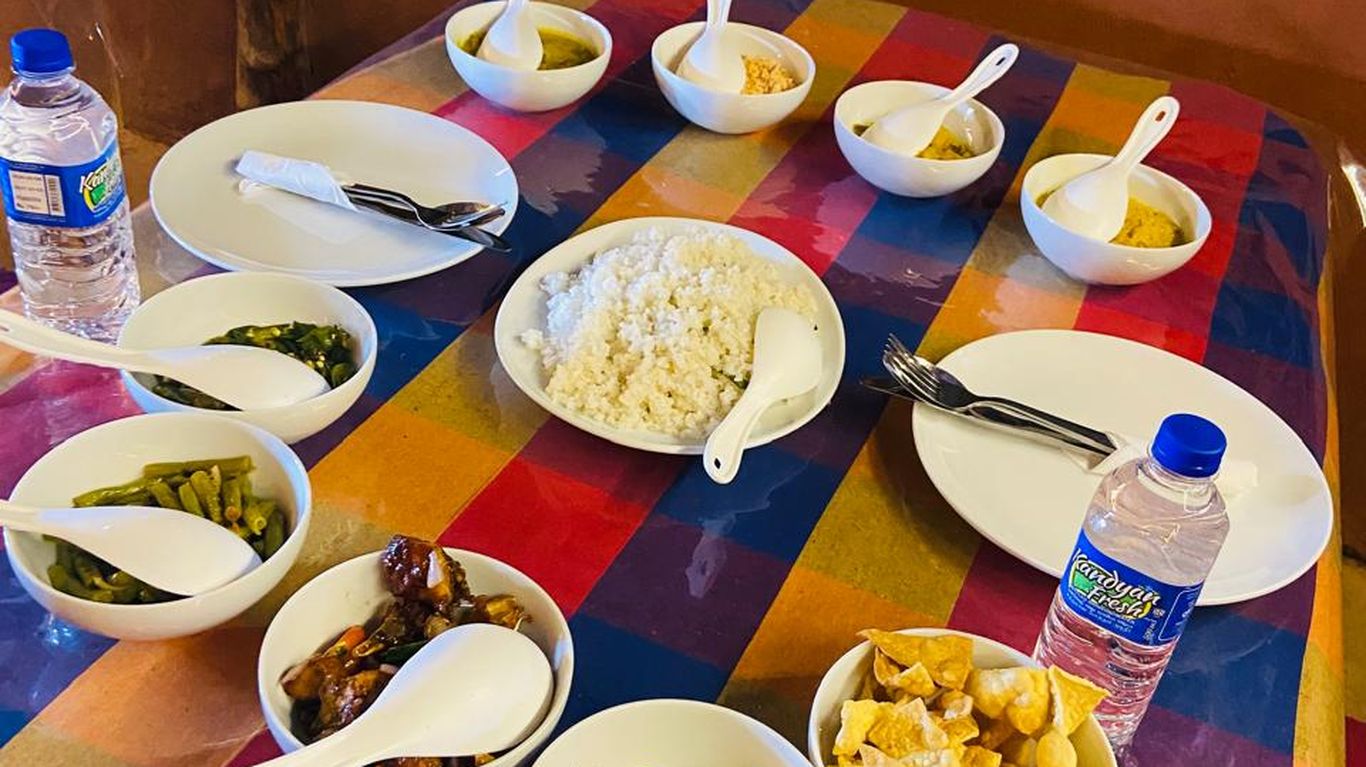
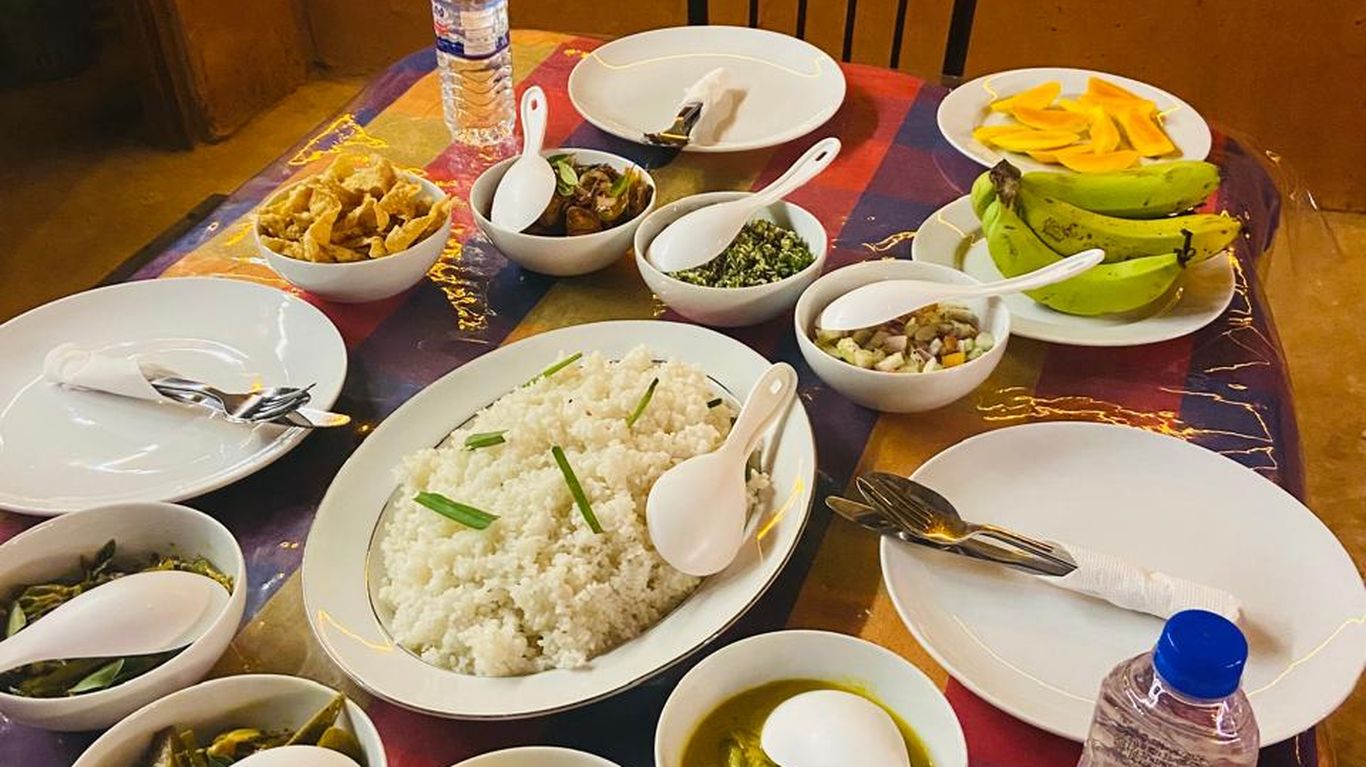
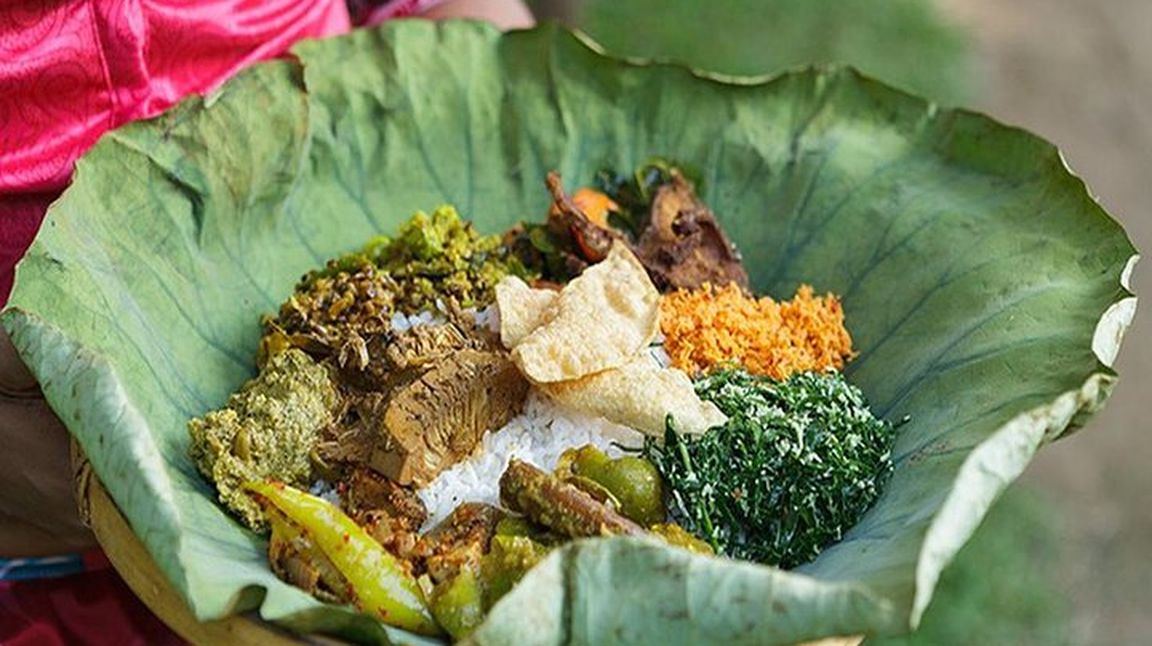
The kitchen says more about a place than any guidebook: who scrapes the coconut, when the curry leaves go in, and how long the family has eaten at the same table.
Cooking days follow the kitchen's clock rather than the tour bus's. Markets are liveliest in the morning, classes start mid-morning and run three to five hours straight through the heat of the day, and street stalls fire up in the evening once the sun drops. Start times flex around your other plans - a market walk pairs naturally with an afternoon climb.
Practical Tips For Eating Well
Habits that keep every meal on the island simple, safe and memorable:
- Eat where the queue is - fast turnover means fresh batches coming off the pan.
- Order what cooks hot in front of you, and peel your own fruit where you can.
- Carry small rupee notes; roadside stalls rarely have change for big bills.
- Give your stomach a day or two before going wide, and stick to bottled or filtered water.
- Ask for the recipes after a class - the dishes are meant to travel home with you.
Food is where the island lets you in, and it is best shared with people who cook it every day. Classes run in small groups with zero cancellation fees up to two days before, nothing paid until the meal is finished, and a family table waiting at the end of it.
Frequently Asked Questions
Generally yes, especially at busy stalls with high turnover where food is cooked fresh in front of you. Choose vendors packed with locals, avoid items sitting at room temperature, drink bottled water and give yourself a day or two to adjust before going wide.
Begin with classics that are always cooked hot: egg hoppers for breakfast, kottu roti for dinner, and short eats such as fish rolls and vadai from the fryer. Fresh fruit carts and roadside curd with treacle make an easy, safe snack.
A plate of kottu or a stack of hoppers costs a few hundred rupees - street food is the cheapest eating on the island. Budget for drinks and a sweet on top and you still spend less than a single cafe main.
Evening is prime time: carts fire up around 5 pm and the freshest batches move fast before 9 pm. Early morning belongs to hoppers and short eats, which are made to order from dawn.
Modern ice made from purified water is generally safe, and cooked-to-order food poses little risk. The simple rule is eat where turnover is high - busy carts cook fresh constantly, so nothing sits out.
Looking for anything else? Browse all common questions.