Sri Lankan food is one of the great underrated cuisines of Asia: coconut-rich, chili-bright, and layered with spices that reached the island over two thousand years of trade. Rice and curry is the daily star, but the street kitchens and family tables hold far more - hoppers at dawn, kottu hammered at midnight, sour fish curries that travel the length of the coast. This guide is the shortlist worth building a food day around.
The twelve dishes below come with the context that makes them make sense: what each one tastes like, when locals eat it, and where to find the version worth the detour. Vegetarians and vegans eat extremely well here, since lentils, jackfruit and coconut cover most menus, and the same patterns repeat from market stalls to hotel dining rooms. Order from the list on the road and the cuisine stops being a mystery and starts being the reason you came.
Rice And Curry Is Only The Start
Hoppers belong to the morning, kottu to midnight, ambul thiyal to a coastal lunch, curd and treacle to the end of any meal at all. Sri Lankan eating runs on hours rather than courses, and what looks like a main at one time of day is a snack at another. Follow the clock and every table reads correctly.
Sri Lankan food is one of the great underrated cuisines of Asia - coconut-rich, chile-bright and layered with spices that arrived on the island over two thousand years of trade. Rice and curry is the daily star, but the island's street kitchens and family tables hold far more than that.
Start with hoppers: bowl-shaped rice-flour crepes with crisp lace edges and a soft, custardy center, usually served at breakfast with a fried egg and lunu miris sambol. Kottu roti is the sound of the island at night - chopped flatbread, vegetables and egg or meat hammered rhythmically on a hot griddle.
The Dishes To Put On Your List
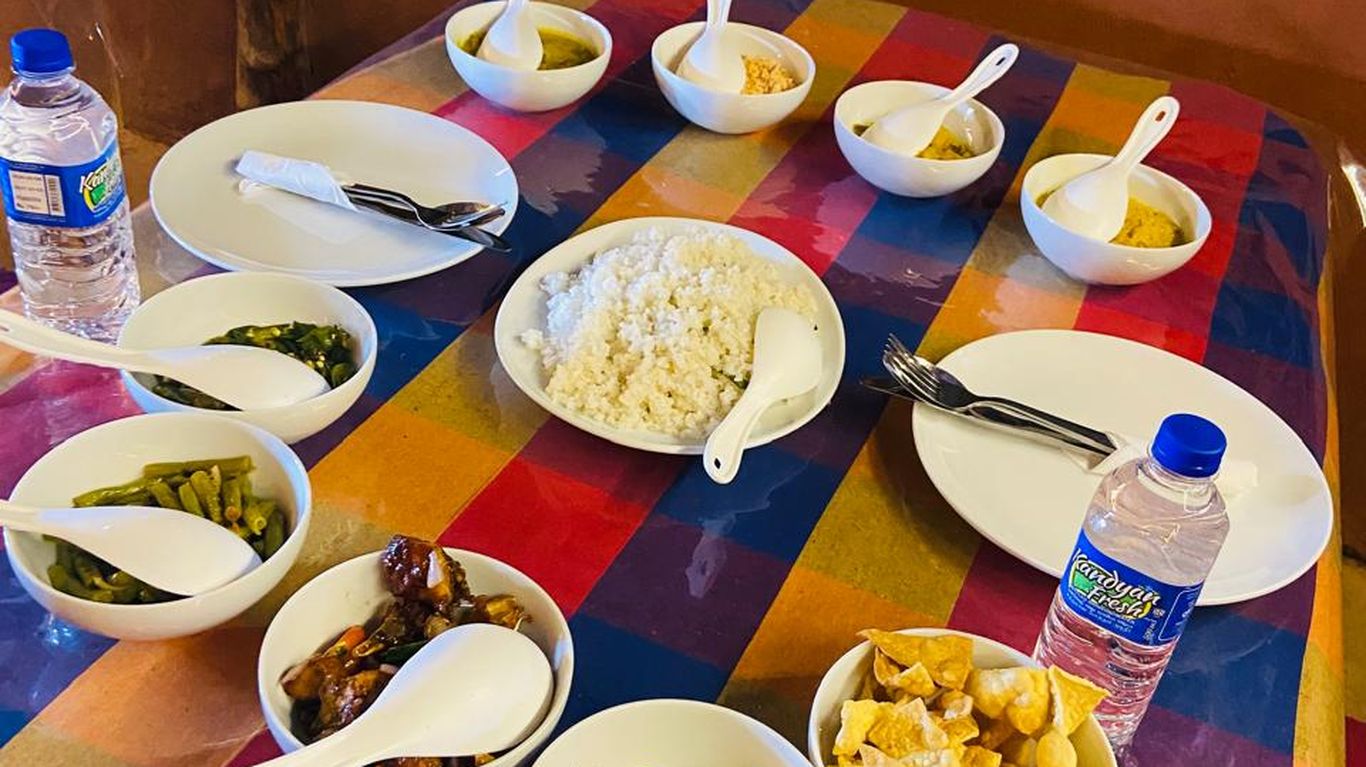
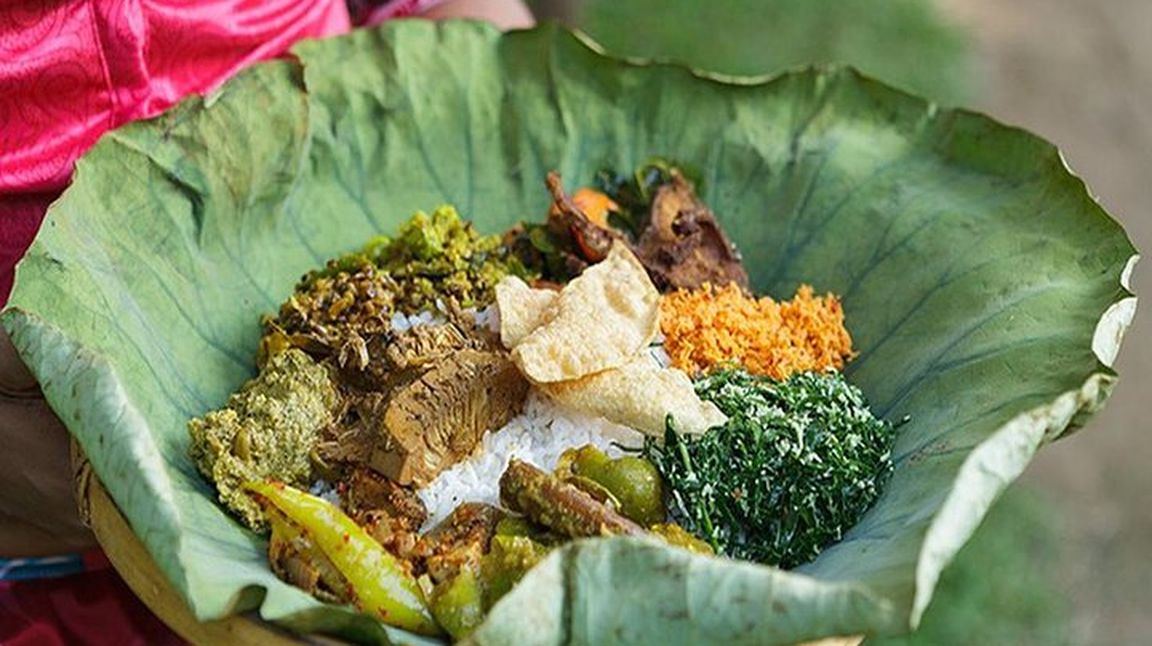
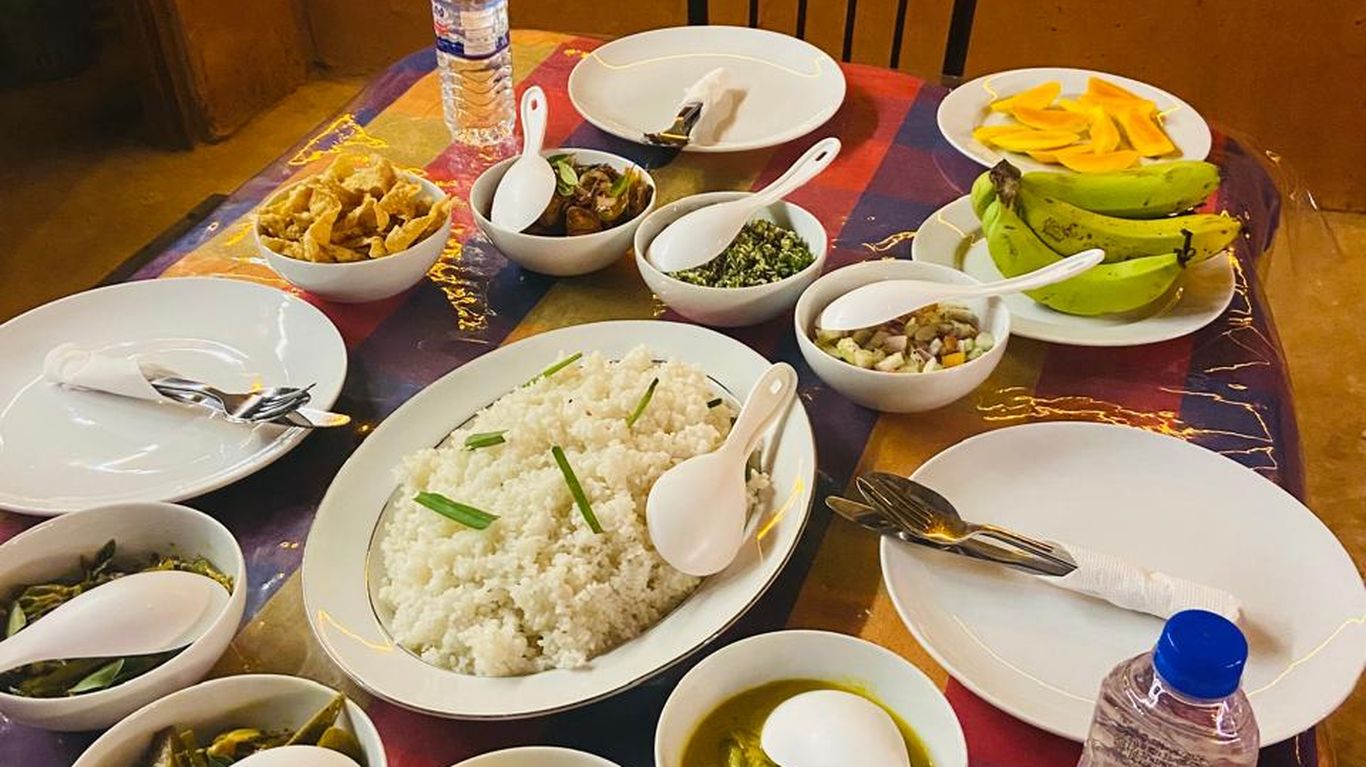
- Rice and curry - a full spread of three or four curries, sambols and mallung around one plate of rice.
- Kottu roti - the iconic griddle-chopped roti dish, best eaten late from a roadside stall.
- Fish ambul thiyal - a sour, pepper-dark tuna curry from the south that travels well.
- String hoppers - steamed noodle nests with coconut milk gravy, a gentle breakfast classic.
- Pol sambol - fresh coconut pounded with chili, lime and onion, on everything.
- Curd and treacle - thick buffalo yoghurt with kitul syrup, the island's perfect dessert.
Vegetarians and vegans eat extremely well here - lentils, jackfruit and coconut cover most menus - and a cooking class is the fastest way to understand why: the secret is almost always the order things hit the pan.
The kitchen says more about a place than any guidebook: who scrapes the coconut, when the curry leaves go in, and how long the family has eaten at the same table.
Cooking days follow the kitchen's clock rather than the tour bus's. Markets are liveliest in the morning, classes start mid-morning and run three to five hours straight through the heat of the day, and street stalls fire up in the evening once the sun drops. Start times flex around your other plans - a market walk pairs naturally with an afternoon climb.
Practical Tips For Eating Well
Habits that keep every meal on the island simple, safe and memorable:
- Eat where the queue is - fast turnover means fresh batches coming off the pan.
- Order what cooks hot in front of you, and peel your own fruit where you can.
- Carry small rupee notes; roadside stalls rarely have change for big bills.
- Give your stomach a day or two before going wide, and stick to bottled or filtered water.
- Ask for the recipes after a class - the dishes are meant to travel home with you.
Food is where the island lets you in, and it is best shared with people who cook it every day. Classes run in small groups with zero cancellation fees up to two days before, nothing paid until the meal is finished, and a family table waiting at the end of it.
Frequently Asked Questions
Rice and curry is the national meal - a plate of rice surrounded by several curries, sambols and greens. Hoppers, kottu roti and string hoppers are equally iconic, found from humble street stalls to hotel restaurants.
It can be, but you control the heat. Sambols and curries carry real chili, yet most kitchens adjust for visitors and milder dishes such as dhal, string hoppers and hoppers are everyday staples. Ask for less chili and it will be respected.
Both exist in abundance. Muslim-run eateries across the island serve halal rice and curry, while vegetarian travelers eat well on dhal, jackfruit, egg hoppers and vegetable curries - the cuisine is naturally heavy on plants.
Local curry houses and home-cooked spreads beat hotel restaurants for authenticity and price. Ask your driver where they eat - the family-run spots without English menus are usually the ones worth remembering.
Curries run medium-hot by default, but heat is adjustable - kochchil sambol and black pepper dishes are the fiery ones, while milk-based curries and hoppers stay mild. Saying 'less spicy' when ordering works reliably.
Looking for anything else? Browse all common questions.